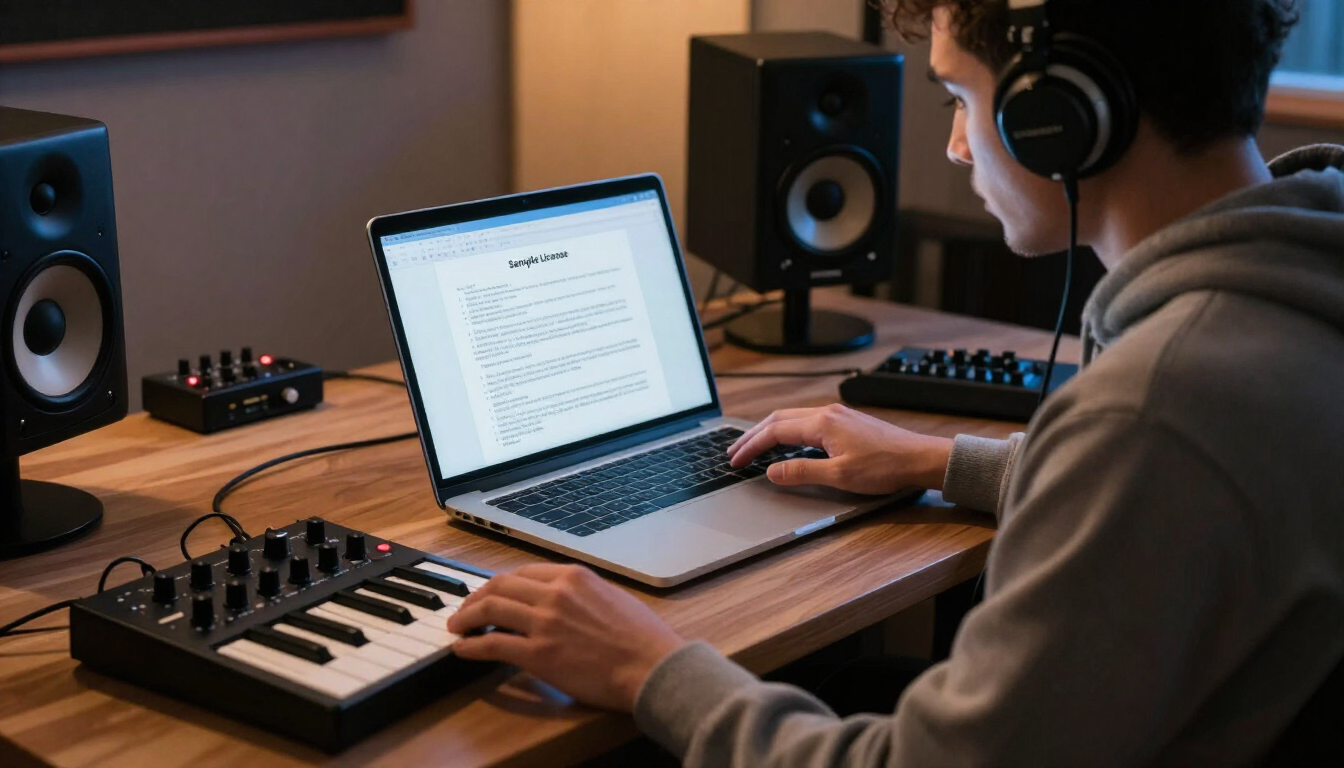



What Is Music Copyright? A Guide for Artists
Music copyright gives artists legal control over original songs and recordings. It protects songwriting, lyrics, melodies, arrangements, and sound recordings from unauthorized copying, distribution, performance, or adaptation. For independent artists, understanding these rights helps you release music confidently, collect income, credit collaborators, and respond when someone uses your work without permission.
What does music copyright protect?
Music copyright generally protects two connected types of work:
- The musical composition: lyrics, melody, harmony, rhythm, and arrangement.
- The sound recording: the specific recorded performance released to listeners.
These rights may belong to different people. For example, a songwriter may own the composition while an artist or record label owns the master recording. Producers, featured artists, and co-writers can also have agreed rights.
Copyright usually begins when an original work is created and fixed in a tangible form, such as an audio file, lyric sheet, or recorded session. However, ownership can become difficult to prove when collaborators do not document their contributions.
Who owns a song created with collaborators?
Ownership depends on each person’s contribution and any written agreement. Co-writers may share composition rights, while a producer may receive a percentage of royalties or a fee. A featured artist may have performance or licensing rights.
Before release, document:
- Each contributor’s legal name and role.
- Songwriting and publishing percentages.
- Master recording ownership.
- Approval rights for edits, licensing, and future use.
- Payment terms and royalty splits.
A simple split sheet signed by everyone can prevent major disputes later. Explore the Artist Resources page for practical tools and guidance as you organize your music career.
How do independent artists register music copyright?
Registration rules vary by country, so check the official copyright office where you live. In the United States, artists can register a composition, a sound recording, or both. Registration creates an official record of ownership and may provide important legal benefits if infringement occurs.
Before registering, prepare:
- The final work or deposit copy.
- Accurate writer, performer, and owner information.
- Contributor agreements and split sheets.
- Publication or release details, if applicable.
Registration is not a substitute for contracts. It works best alongside clear records, organized project files, and written permissions.
What is copyright infringement in music?
Music infringement can include using a song, recording, sample, lyric, or melody without permission when the use violates the owner’s rights. Common examples include uploading an uncleared sample, copying a recognizable melody, reposting a recording, or using music in a commercial video without the proper license.
If you believe your work was used without permission, save evidence such as URLs, screenshots, dates, and original project files. Avoid public accusations before reviewing the facts. Depending on the situation, you may contact the platform, request removal, negotiate a license, or consult a qualified legal professional.
How can artists avoid copyright problems?
Use this release checklist:
- Confirm who owns the composition and master.
- Get permission for samples, interpolations, covers, and beats.
- Keep signed agreements for every collaborator.
- Verify licenses before using music in videos or advertisements.
- Credit contributors accurately and retain proof of permissions.
When discovering or sharing new work, visit Music and keep your own release documentation equally organized.
Key takeaways for independent musicians
Music copyright protects both the song and the specific recording, and those rights may have different owners. Independent artists should document splits, secure permissions, and register important works with the relevant copyright authority. Before releasing music, confirm ownership, licensing, credits, and payment terms in writing. If a dispute arises, preserve evidence and seek professional advice before taking action. Use these steps to protect your catalog while building a confident, sustainable music career.