

How to Sell Music Online: Artist Guide
Selling your music online means releasing tracks through digital platforms while managing rights, pricing, distribution, promotion, and fan relationships. Before uploading, independent musicians should confirm ownership, choose a suitable distributor, prepare professional assets, understand fees, and create a plan to turn listeners into lasting supporters.
What should musicians prepare before selling music online?
A successful release starts before your song reaches a store. Prepare these essentials:
- Finished audio: Export high-quality masters and check the final mix on multiple devices.
- Artwork: Create square cover art that is clear, original, and free of unlicensed images.
- Metadata: Confirm song titles, artist names, featured performers, writers, producers, and genre details.
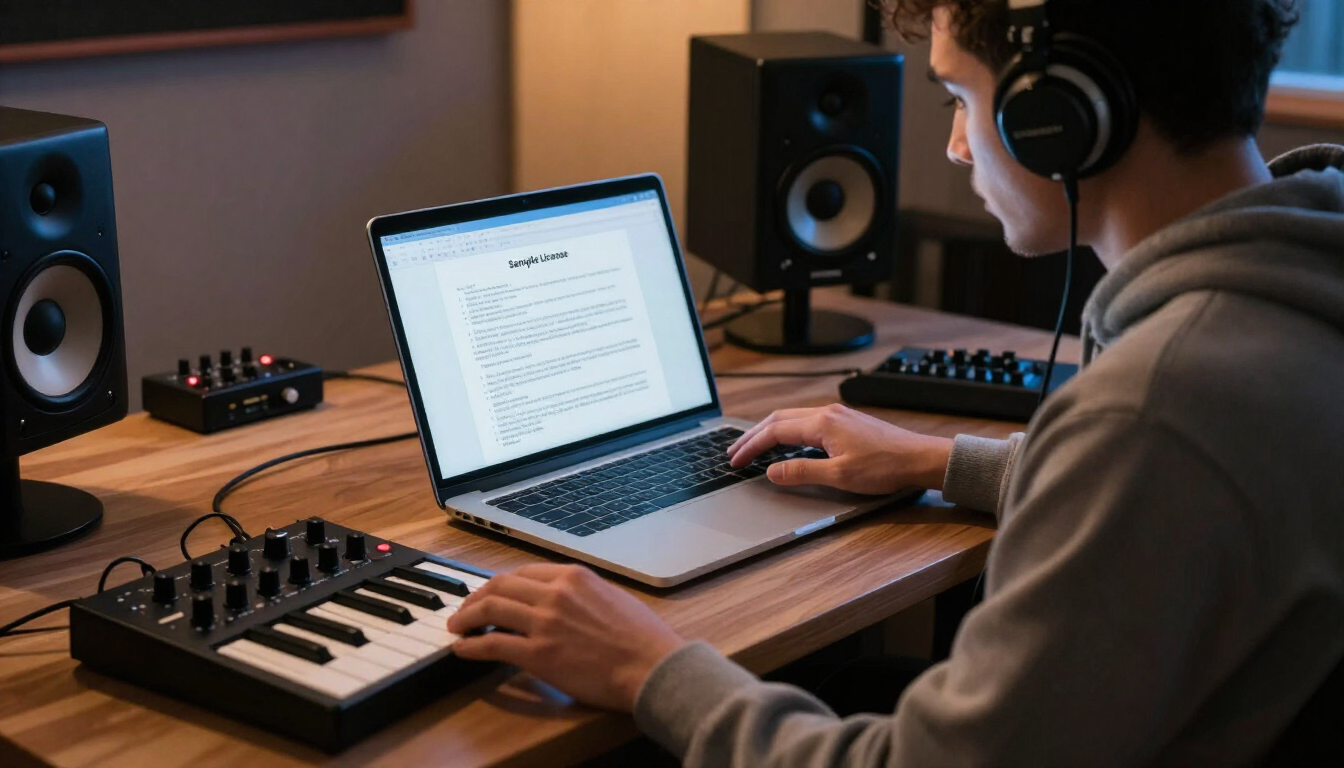
- Rights documentation: Keep split sheets, licenses, registrations, and agreements in one place.
- Release plan: Choose a date that gives you time for promotion, pitching, and content creation.
If you are building your broader artist strategy, explore these Artist Resources before release day.
Which music distribution option is right for you?
A distributor delivers your music to streaming services and digital stores. Compare options based on:
- Pricing: Look for annual fees, per-release charges, or commission models.
- Reach: Confirm which platforms and territories are included.
- Speed: Check delivery timelines and how quickly corrections are processed.
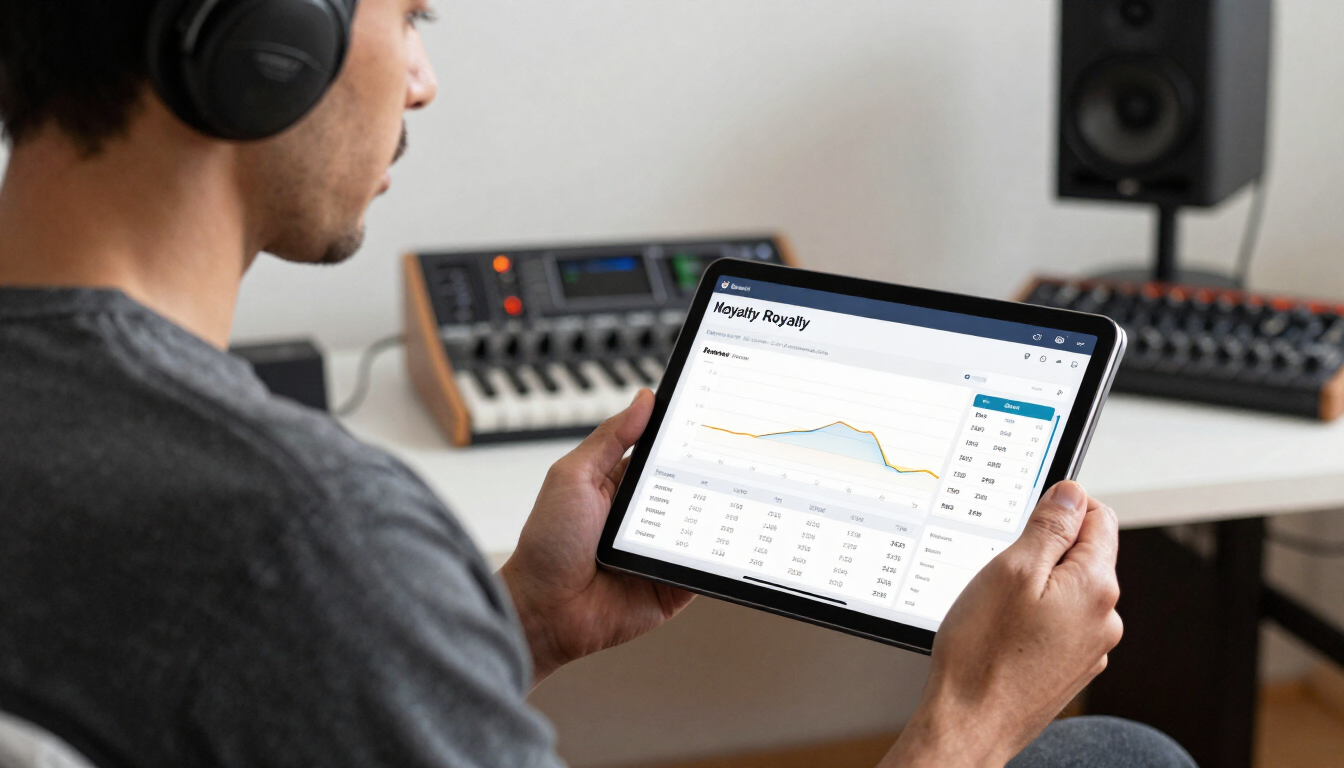
- Reporting: Choose services with understandable royalty and audience data.
- Support: Review customer service, takedown policies, and copyright assistance.
Do not choose only by the lowest price. A reliable service can save time and protect your release from avoidable metadata or rights problems.
How do music rights and royalties work online?
You generally need to understand two rights categories: composition rights , covering lyrics and musical writing, and sound recording rights , covering the recorded performance. Different uses may generate different royalties.
Before release, confirm:
- Every contributor has agreed to their ownership percentage.
- Samples, beats, and collaborations have written permissions.
- Your songwriter and performance-rights registrations are accurate.
- You know how and when your distributor reports earnings.
Keep records of contracts and registrations. Clear ownership makes it easier to monetize your work, resolve disputes, and license music for future opportunities.
How should you price and promote your music?
Digital pricing is influenced by platform rules, format, audience expectations, and your release goals. Instead of focusing only on a single sale, build several paths for fans to support you:
- Stream or download the release.
- Purchase merchandise through your Store .
- Attend shows or join fan communities.
- Follow your updates through your website and social channels.
Promote with short performance clips, behind-the-scenes videos, lyrics, email updates, and direct links to the release. Consistency usually matters more than one large announcement. You can also guide listeners to your Music page so they can discover more of your work.
What should you track after release?
Review streams, saves, shares, playlist additions, traffic sources, and sales. Look for patterns: which content drives clicks, which cities show interest, and where listeners stop engaging. Use those insights to improve your next release rather than treating every result as a verdict on your talent.
Key takeaways
Selling your music online works best when creative preparation and business organization happen together. Secure your rights, compare distributors, use accurate metadata, and promote consistently across channels. Track results after release, then apply what you learn to your next song. Start by choosing one release date, building a simple checklist, and directing fans to a central place where they can hear, support, and follow your music.